

Brand diagnosis
Where you stand today, how you’re perceived and what holds you back.
STRATEGY · ALICANTE
A brand strategy answers three questions: who you are, who you serve and why they should choose you. I research it with your audience and competitors and put it in writing (positioning, messaging and creative direction) so you stop competing on price and your team can apply it from day one.
You struggle to explain in one sentence what makes you different.
Your competitors say the same as you, in other words.
Every piece of communication sounds like a different brand.
You invest in design or ads without being clear who you’re talking to.
Where you stand today, how you’re perceived and what holds you back.
Who buys, why they buy and what would make them choose you.
What others say and where there’s a gap you can own.
One sentence and three pillars that guide every brand decision.
How you speak, what you say and what you avoid, with real examples.
The visual territory that turns strategy into design.
Four stages to end up with a territory the brand can defend, not a nice document nobody uses.
I understand the business before the brand: what it sells, to whom, at what margin and against whom.
I study audience and competitors to separate what the brand believes from what the market perceives.
I define the territory the brand can own and defend, and the message that holds it up.
I translate strategy into a visual and verbal direction that guides every decision after it.
HOW I DO IT
Each step closes a decision before the next one. At the end you have a document any designer, writer or supplier can follow.
 Diagnosis
I understand your business, your story and how you’re seen today.
 Research
I study audience, competitors and sector. AI helps me research; the judgement is mine.
 Positioning
I define who you are, who for and why they should choose you.
 Message and tone
I turn the positioning into sentences and a way of speaking.
 Creative direction
I leave the visual territory ready for design.
REAL CASE
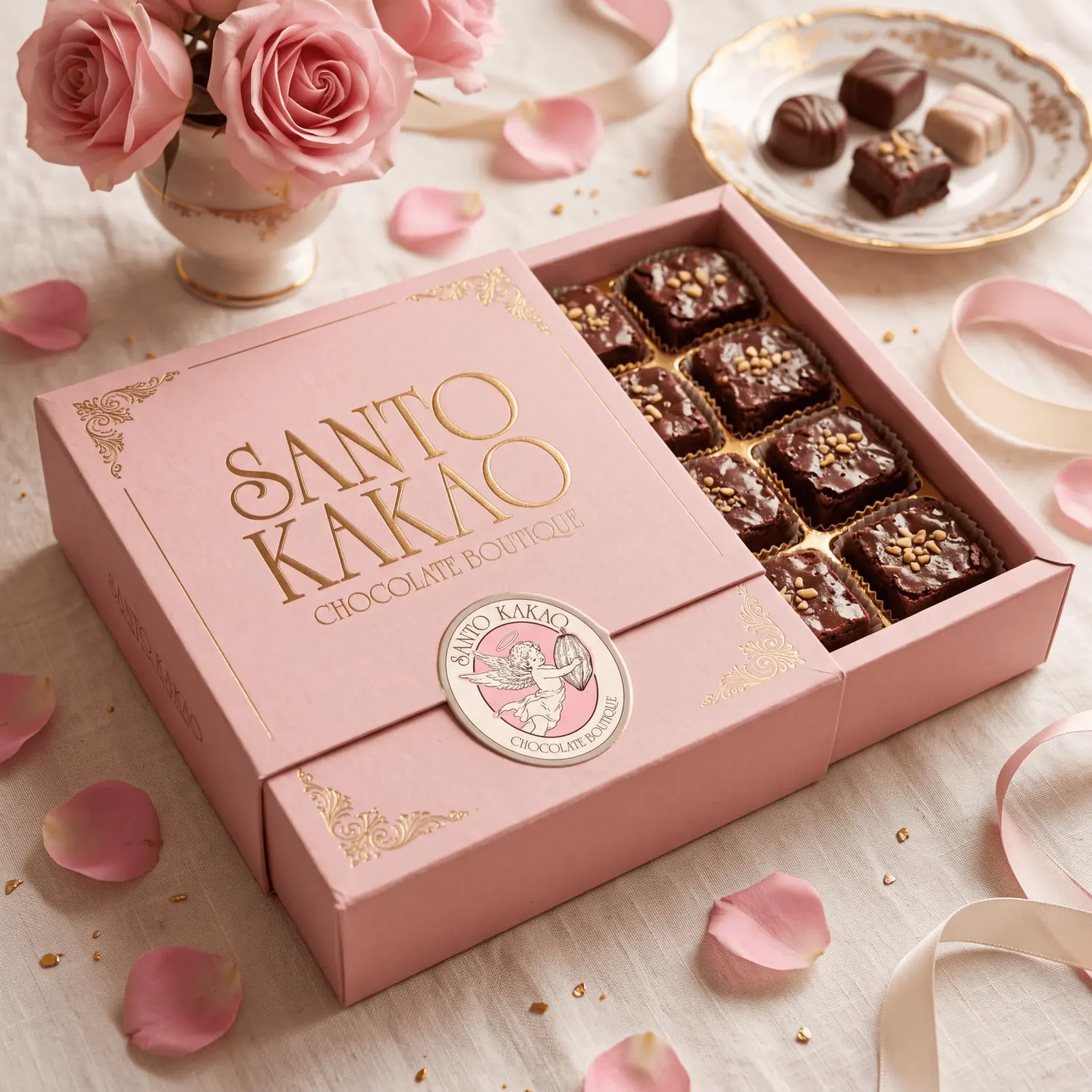
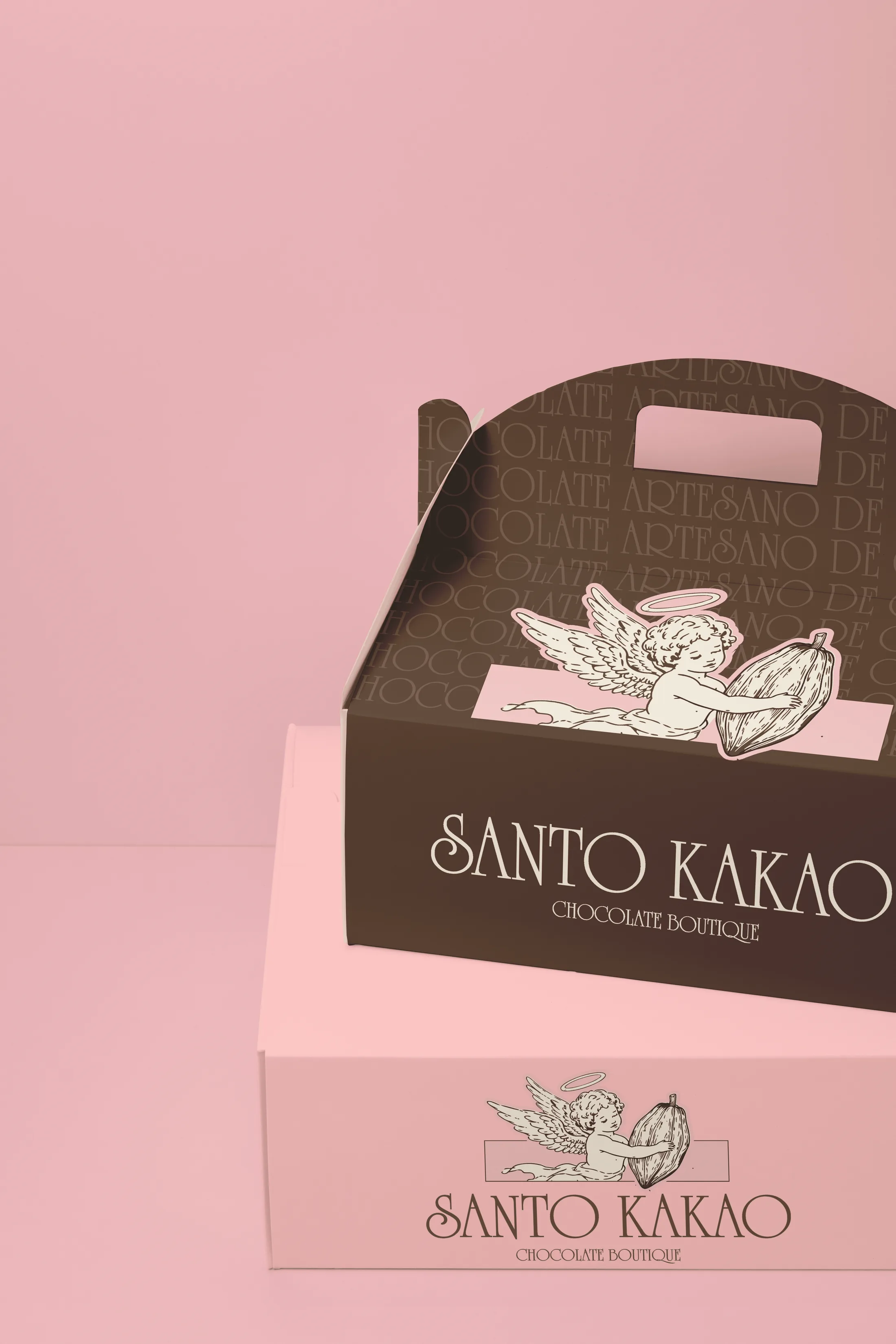
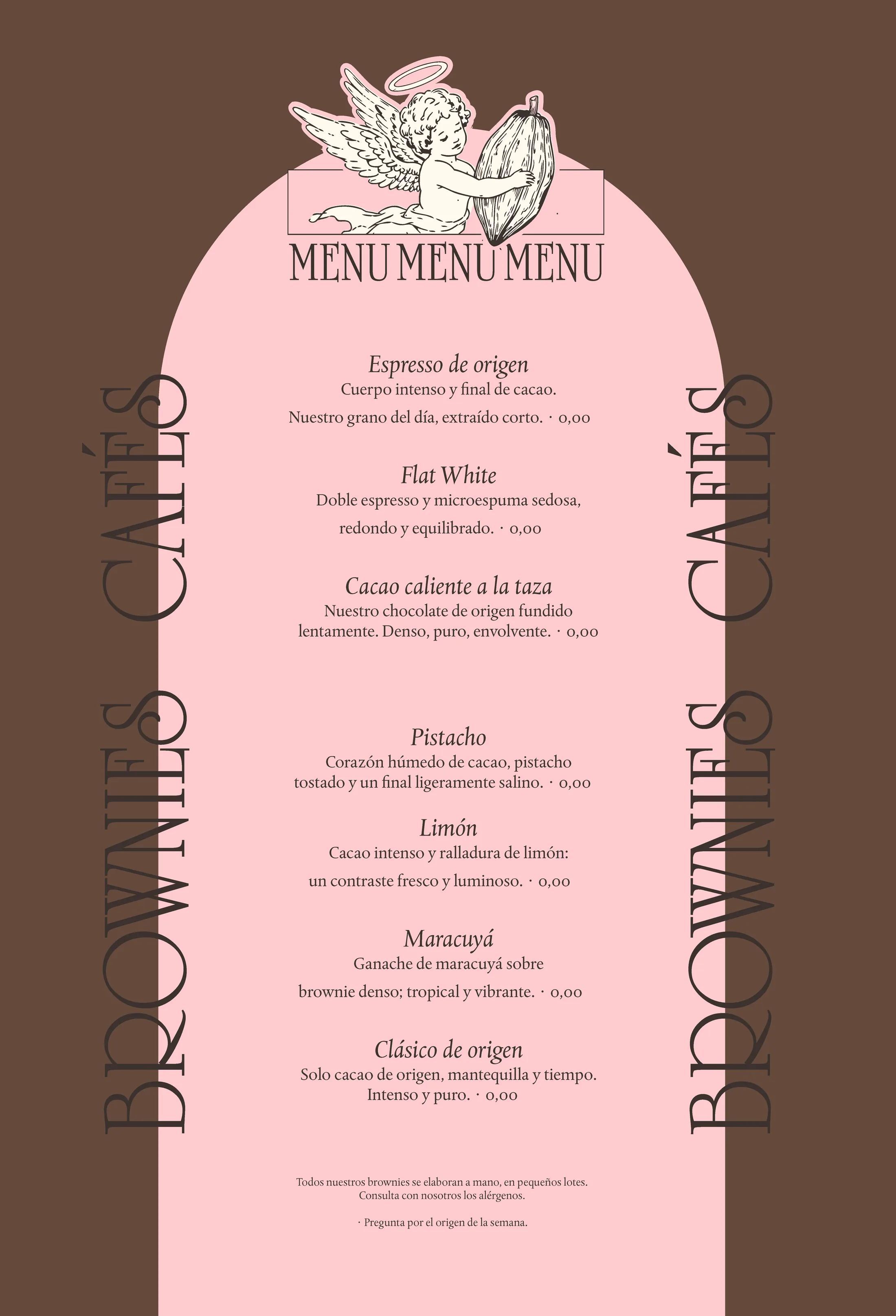
With Santo Kakao I decided, before drawing anything, that chocolate would be sold as an experience, not a shelf product. That gave us the three communication pillars, the logo, the palette and even the tone of the packaging copy.
They all start the same way: understanding your business before designing anything.
For businesses that are launching or no longer look like what they’re worth.
For those who want to go digital with a coherent image from day one.
For businesses that want everything to speak the same language.
“Perfect service! Impeccable work with lots of personality, exactly as I wanted. Excellent!”
“I’m super happy with Cindy’s work. From the very first moment she understood what I wanted, even when I didn’t know what I wanted to convey.”
“We couldn’t be happier to have chosen Cindy for our rebranding! She redesigned the Tachán Creaciones logo just as we imagined it.”
Write to me and I’ll answer without jargon and without commitment.
Message meIt’s the set of decisions that define who you are, who you work for, why they should choose you and how you say it. It’s what makes the logo, the website and social media say the same thing.
If your logo doesn’t explain what you are or your communication sounds different everywhere, yes. Strategy organises what you have and sets where to grow.
It depends on the project’s scope. I give you a concrete schedule with dates in the proposal.
A document with diagnosis, positioning, messages, tone and creative direction, plus a session so you understand and apply it.
Yes. You can also continue afterwards with visual identity and web based on the strategy.